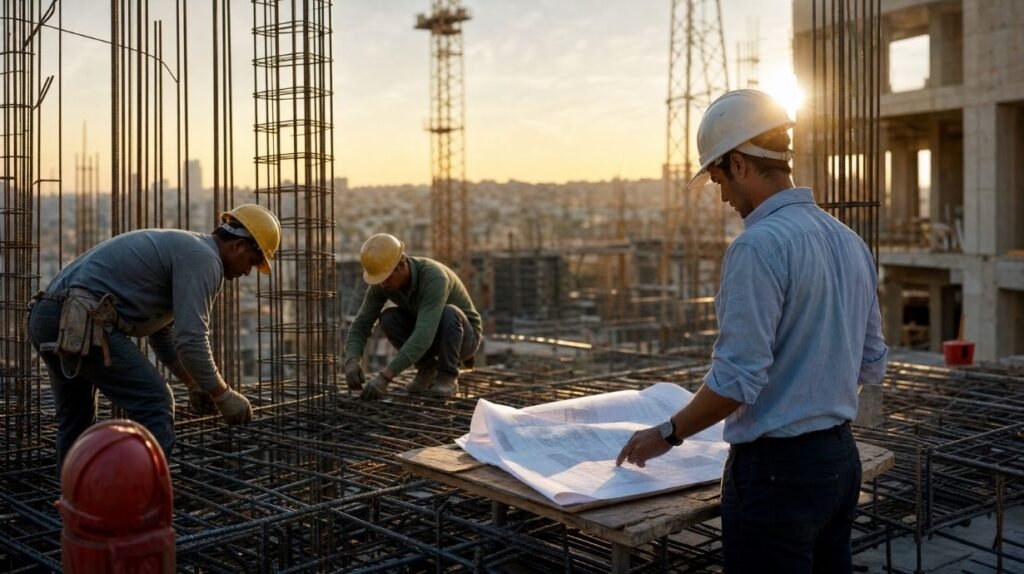

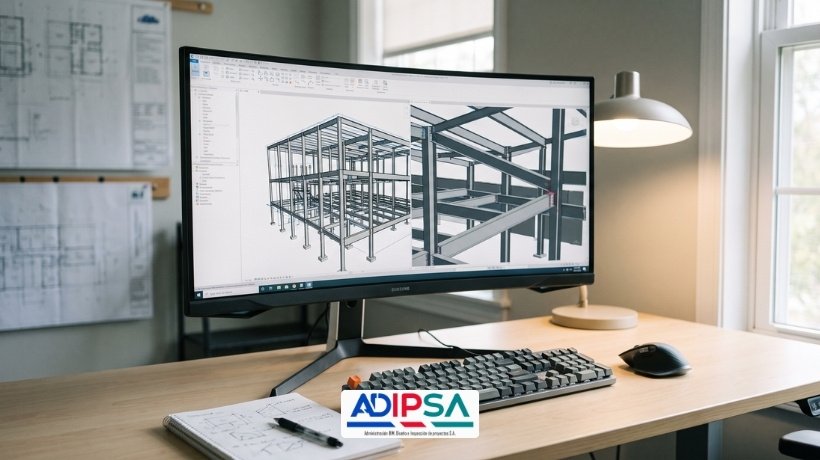
The construction industry is constantly evolving, shifting from traditional 2D drafting to highly collaborative 3D environments. In this new landscape, integrating steel detailing into modern Building Information Modeling (BIM) workflows has become essential for ensuring project success and smooth execution.
Rather than working in isolation, today’s detailers operate within a shared digital space. This approach helps project teams communicate better, reduce risks, and keep construction schedules on track.
The Role of BIM in Steel Detailing
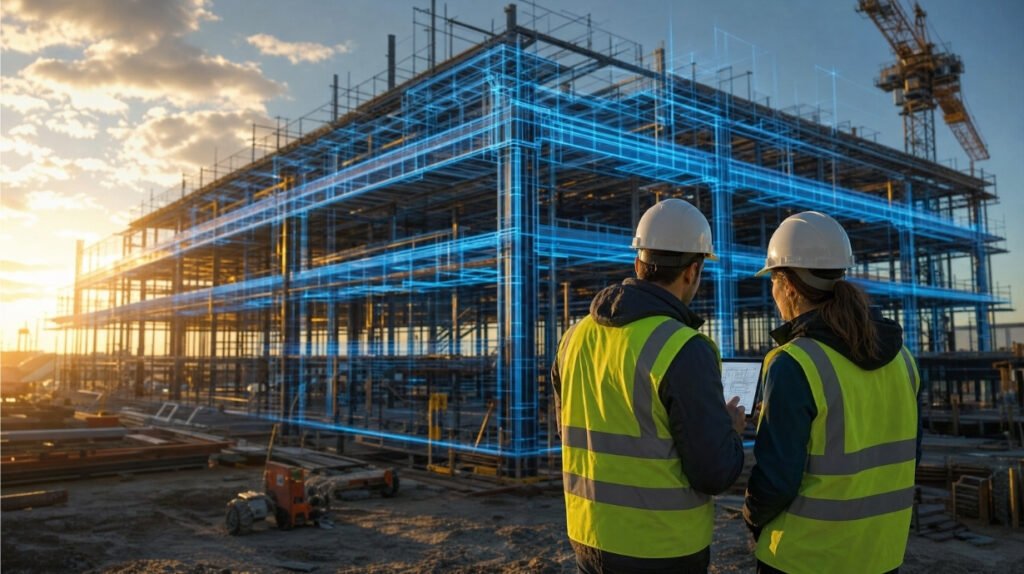
Building Information Modeling (BIM) is much more than 3D modeling; it is a methodology built on teamwork and shared data. When steel detailing is integrated into a BIM environment, every structural member, bolt, and weld is represented with accurate geometry and specific material data.
This level of detail allows teams to visualize the entire structure long before fabrication begins. By working within a unified model, the transition from initial structural design concepts to final fabrication drawings becomes a seamless, continuous process.
Enhancing Interdisciplinary Coordination
One of the greatest benefits of combining steel detailing with BIM is the ability to coordinate across multiple disciplines. Modern structures require precise alignment between architectural, structural, and MEP (Mechanical, Electrical, and Plumbing) systems.
A unified BIM model brings all these elements together. If an HVAC duct intersects with a steel beam, the software highlights the issue immediately. Resolving these spatial conflicts digitally through comprehensive BIM coordination prevents costly and stressful delays on the construction site.
Clash Detection and Error Prevention
In traditional workflows, geometric clashes are often discovered only when the steel reaches the job site. This leads to emergency field modifications, wasted materials, and extended timelines.
When you partner with an agency providing reliable steel detailing services, you benefit from automated clash detection. Detailers can run interference checks within the BIM software, identifying and resolving clashes in the virtual environment. This proactive approach ensures that the shop drawings generated are truly fabrication-ready.
Streamlining the Fabrication Process
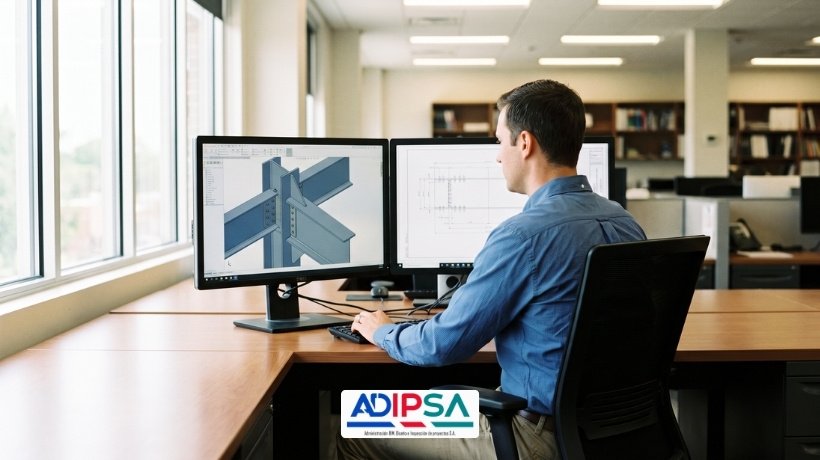
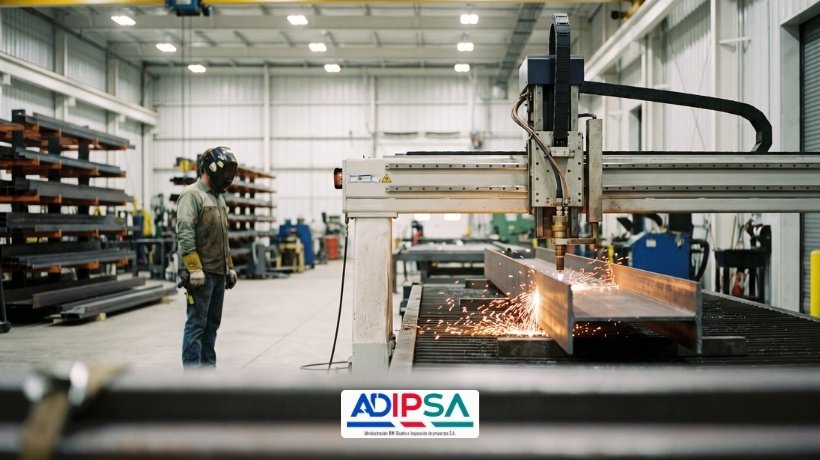
The alignment between BIM and steel detailing directly benefits the steel fabricator. Modern detailing software, such as Tekla Structures, can export data directly from the BIM model to Computer Numerical Control (CNC) machines.
This means that structural steel can be cut, drilled, and welded with absolute precision based on the digital model. Furthermore, accurate Bills of Materials (BOM) are generated automatically, ensuring efficient material procurement and reducing waste.
Conclusion
Integrating steel detailing with modern BIM workflows is a strategic decision that supports the entire construction team. It replaces isolated tasks with a collaborative digital ecosystem, fostering better communication and higher quality outcomes.
By leveraging BIM technology, project managers can ensure that structural steel is detailed, fabricated, and erected smoothly, creating a stress-free environment for everyone involved in the project.
Ready to Streamline Your Construction Process?
Let’s work together to eliminate guesswork on the job site. Contact our team to seamlessly bridge the gap between your conceptual design and final execution.
📞 Phone: +507 6150-7470
✉️ Email: info@grupoadipsa.com
🔗 Follow our latest engineering projects on LinkedIn